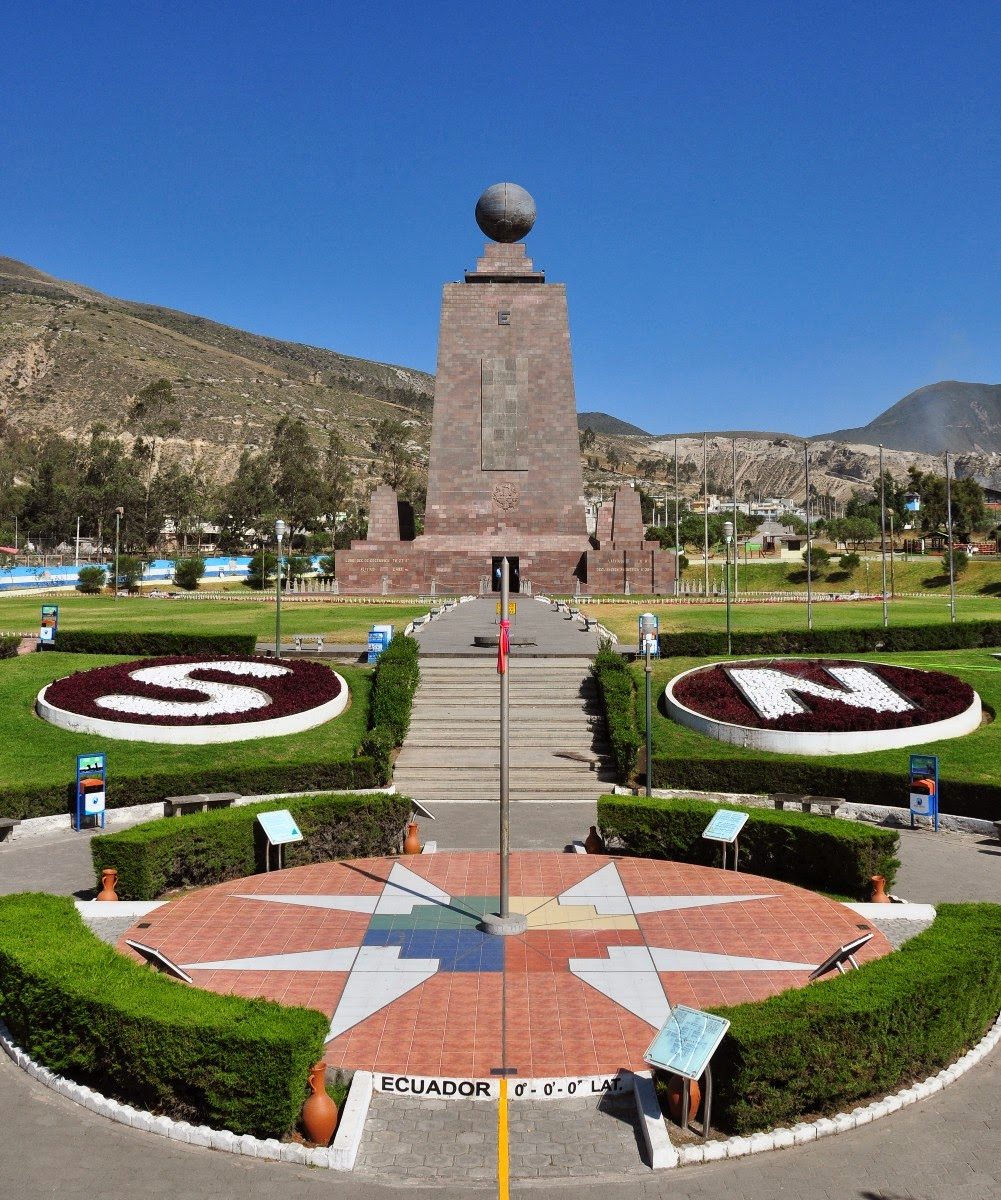
Equatorial Monument
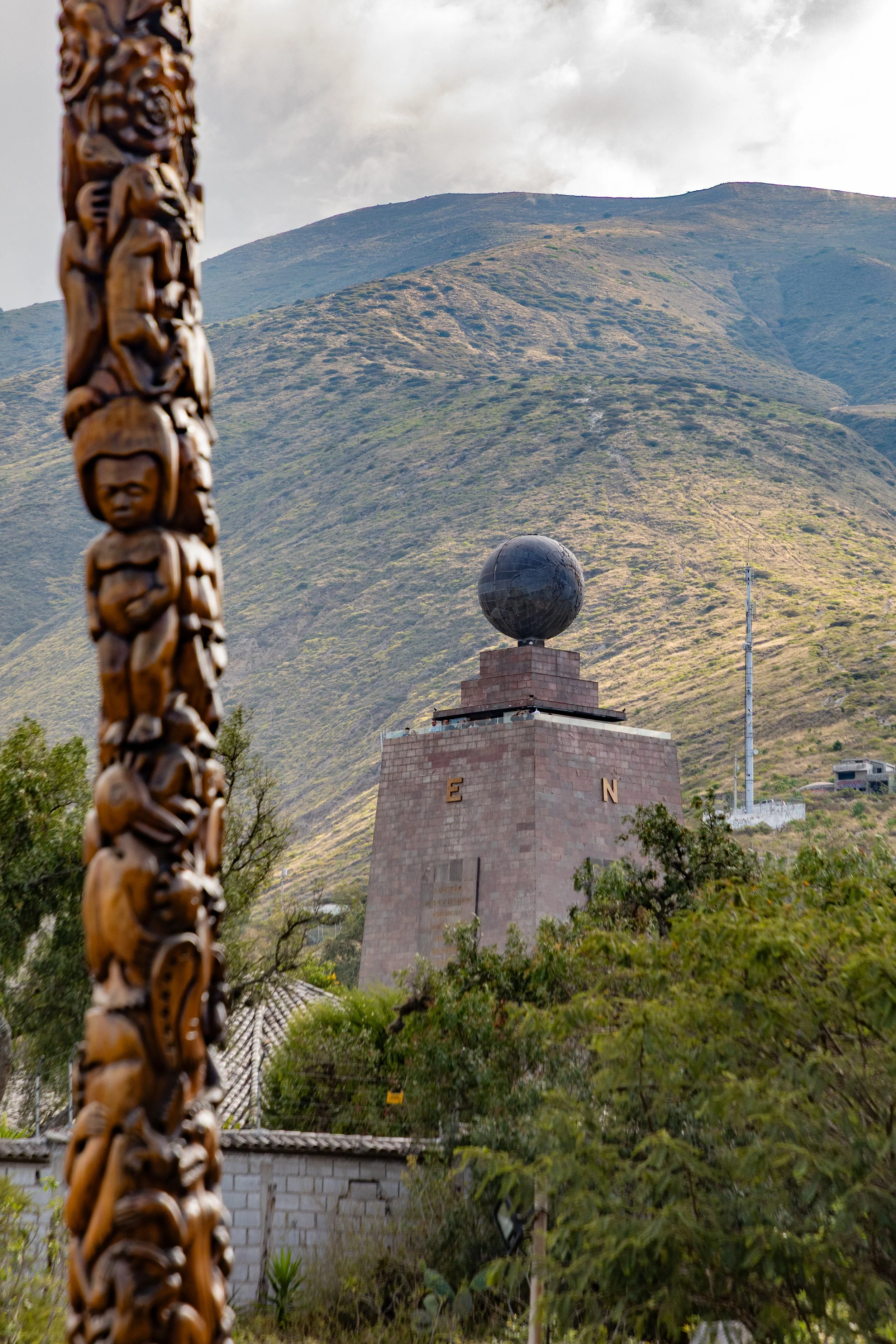
This 30-meter stone structure marks the site and houses a small museum showcasing indigenous ethnography.
View the landmark from the lower plaza for the best scale.

The equator monument sits at 2,430 meters elevation in the Andean highlands, creating a microclimate distinct from Quito's city center. Temperatures remain stable year-round, but afternoon weather shifts arrive without warning. Understanding the altitude-driven patterns helps you pack correctly and time your visit.
Quick answer
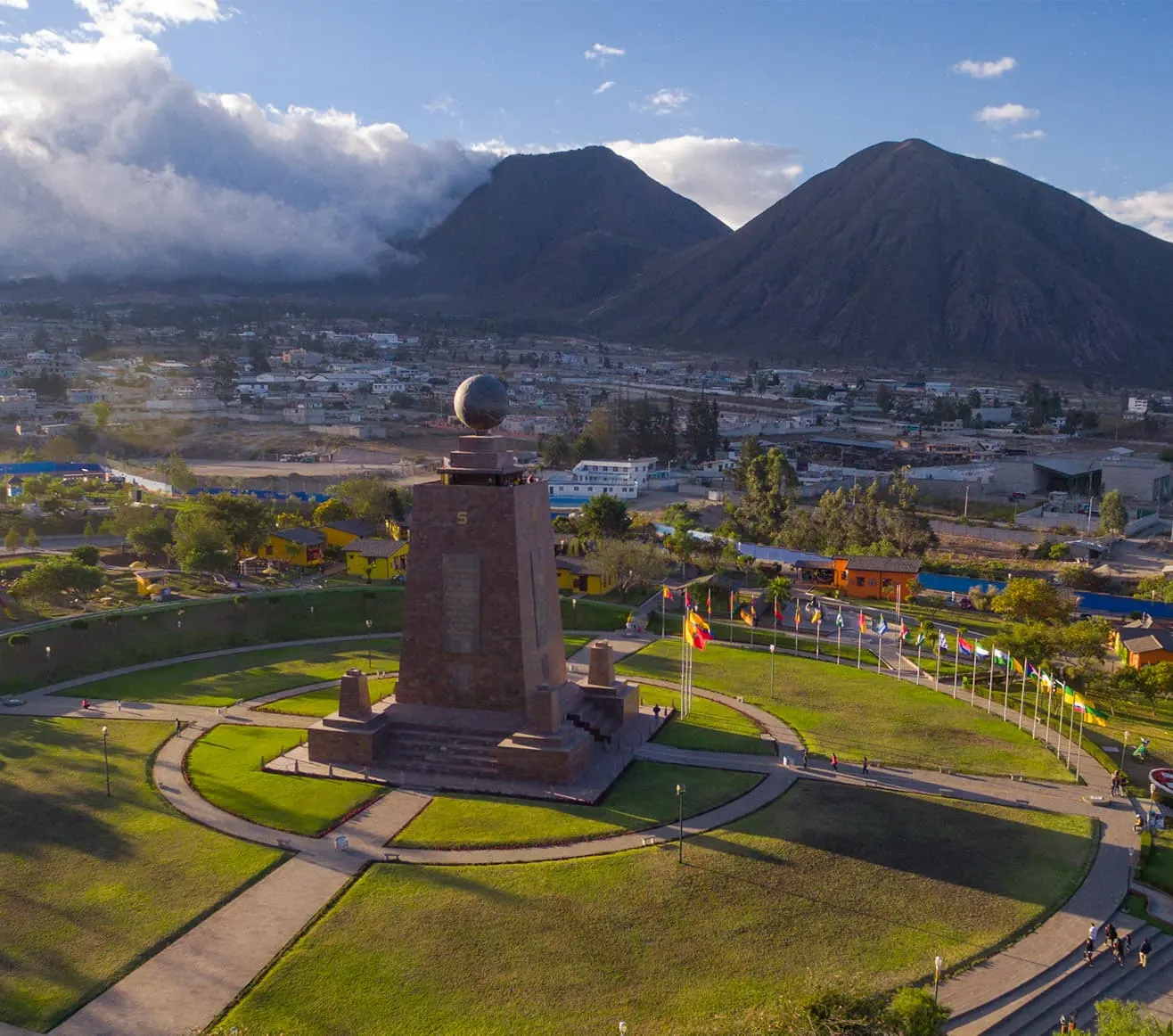
Mitad del Mundo Quito weather averages 15–18°C (59–64°F) year-round due to its equatorial latitude and high-altitude position. Mornings start cool and dry between 09:00–11:00, then clouds build through midday with brief rain showers common from 14:00 onward. The dry season (June–September) reduces afternoon rainfall but does not eliminate it, while the wet season (October–May) brings heavier showers and persistent cloud cover after noon.
The equator monument complex occupies a volcanic plateau northwest of Quito, where altitude overrides equatorial heat. At 2,430 meters, the thin atmosphere and consistent sun angle produce stable temperatures that barely shift between January and August. Visitors expecting tropical warmth at the equator line often arrive underprepared for highland cold. Morning conditions favor exploration. Between 09:00 and 11:00, skies stay clear and temperatures climb into the mid-teens Celsius, ideal for photographing the monument and walking the outdoor exhibits. By noon, convective clouds form over the surrounding valleys and drift across the complex. Afternoon showers arrive suddenly, lasting fifteen to forty minutes before clearing. The pattern repeats almost daily regardless of season, driven by solar heating of the Andean slopes rather than frontal systems. The distinction between dry and wet seasons matters less here than in lowland Ecuador. June through September sees fewer total rain days and lighter showers, but afternoon clouds still obscure the monument several times per week. October through May increases rainfall intensity and frequency, with overcast mornings becoming common and multi-hour downpours possible after 14:00. Humidity remains moderate year-round due to elevation, preventing the oppressive mugginess found at coastal equatorial sites. Wind speeds stay low inside the valley, but exposed ridges near the monument can gust unexpectedly during afternoon storms. The UV index peaks near category 11–12 even on cloudy days, a function of equatorial sun angle and thin atmosphere. Sunburn occurs within twenty minutes of unprotected exposure. Evening temperatures drop quickly after 17:00 as the sun sets, falling to 10–12°C by the time the complex closes at 18:00 on weekends. Climate at the equator monument defies the stereotypes visitors carry from textbook diagrams of tropical zones. The interplay of latitude and altitude creates conditions closer to a temperate mountain environment than an equatorial rainforest.
“At 2,430 meters, the thin atmosphere and consistent sun angle produce stable temperatures that barely shift between January and August.”
Quito experiences a dry season from June to September and a wetter period from February to May and October to November, though the equatorial location keeps temperatures consistently mild. To maximize clear sky visibility for photography and outdoor exploration, the drier months offer the most reliable conditions.
Dry, clear skies, 10°C to 22°C
This period offers the best chance for sunshine and visibility of the surrounding volcanoes. Expect cooler mornings and warmer afternoons.
Frequent afternoon rain, 9°C to 20°C
Expect intermittent showers and cloud cover. Mornings are often clear, making early activity preferable.
Variable with mixed sun and rain
The transitional months often feature pleasant weather with intermittent showers. Crowds are typically thinner during this time.
—
Mid-week visits during the early hours provide the most consistent access to exhibits and exterior photo opportunities without peak congestion.
Verdict: Visit between June and September on a weekday morning to benefit from the clearest weather and lowest visitor volume.
The Mitad del Mundo complex maintains consistent daily operating hours throughout the year. While the weather in Quito often features clear mornings, these hours allow you to plan your visit around typical afternoon cloud cover.
Ciudad Mitad del Mundo is located at Av. Manuel Córdova Galarza in San Antonio de Pichincha, north of central Quito. Regardless of weather fluctuations, the site remains accessible via private vehicle, taxi, or public bus services.
Direct hire from Quito city center to Av. Manuel Córdova Galarza
Metrobus (T-Bus) to Ofelia Station, then transfer to a San Antonio bus
Drive north via Av. Mariscal Sucre or Av. Manuel Córdova Galarza
Arrive between 09:00 and 11:00 to avoid peak crowds and ensure sufficient time to explore the complex museums. On days with variable weather, utilizing a private taxi or pre-booked transport provides the most reliable shelter during transit.
The Ciudad Mitad del Mundo complex features a variety of monuments and exhibition spaces that transition between open-air plazas and climate-controlled galleries. These zones offer visitors a chance to explore equatorial science and regional heritage regardless of the variable Quito weather.
This 30-meter stone structure marks the site and houses a small museum showcasing indigenous ethnography.
View the landmark from the lower plaza for the best scale.
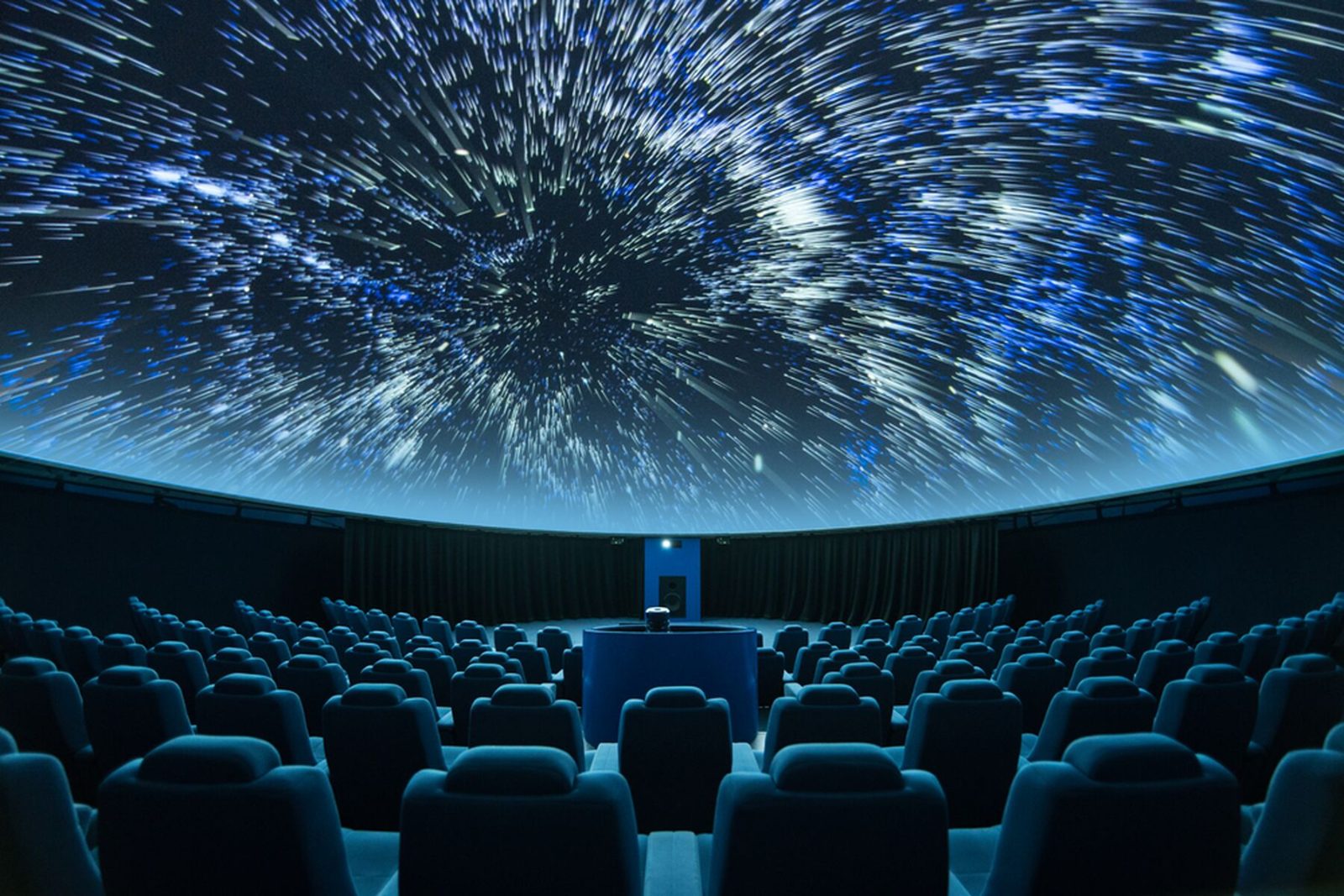
Located within the complex, this indoor facility offers regular presentations on celestial navigation and astronomy.
Visit during the midday sun to escape external heat.
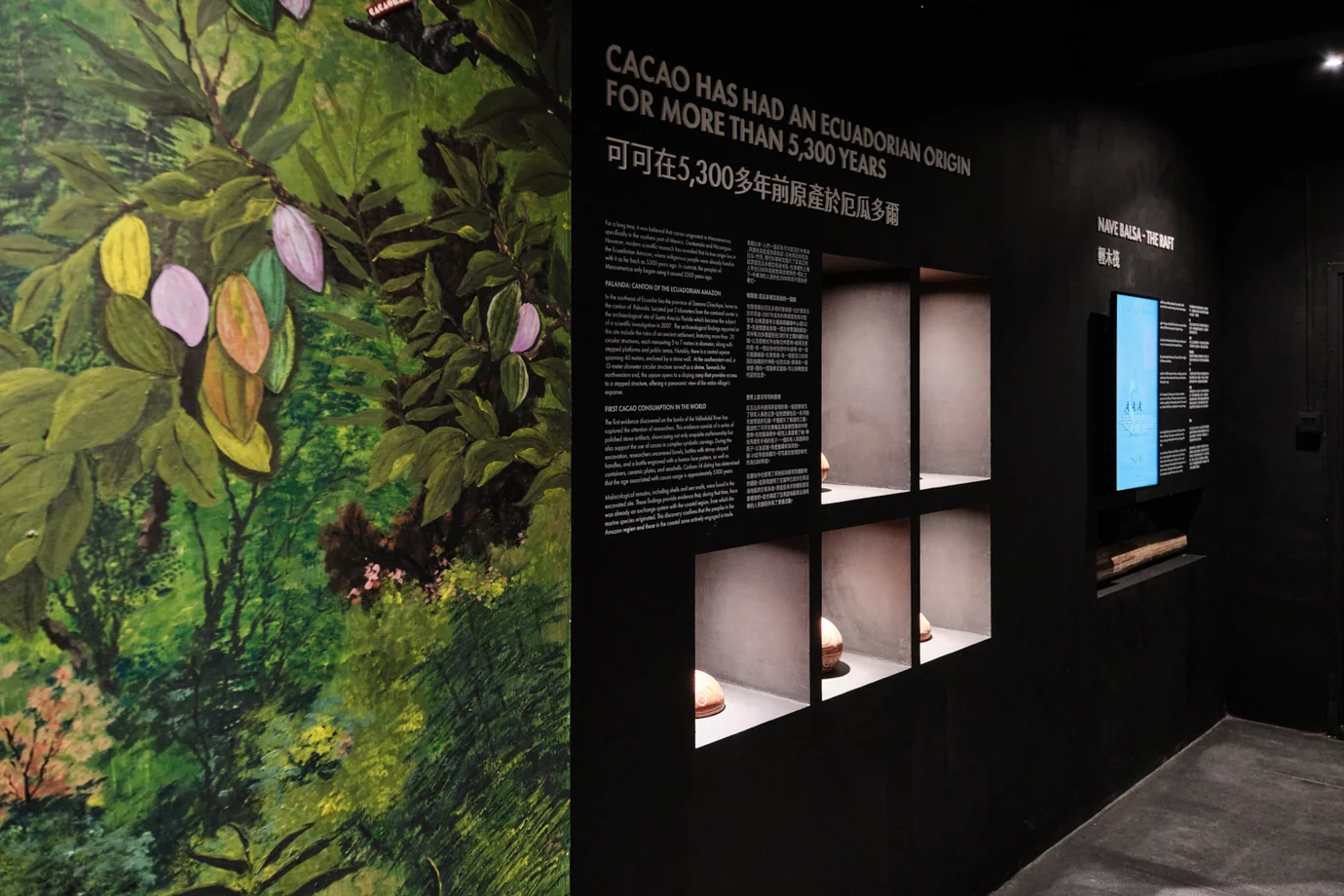
An indoor exhibition space detailing the history, cultivation, and production processes of Ecuadorian chocolate.
Sample the local chocolate at the end of the tour.
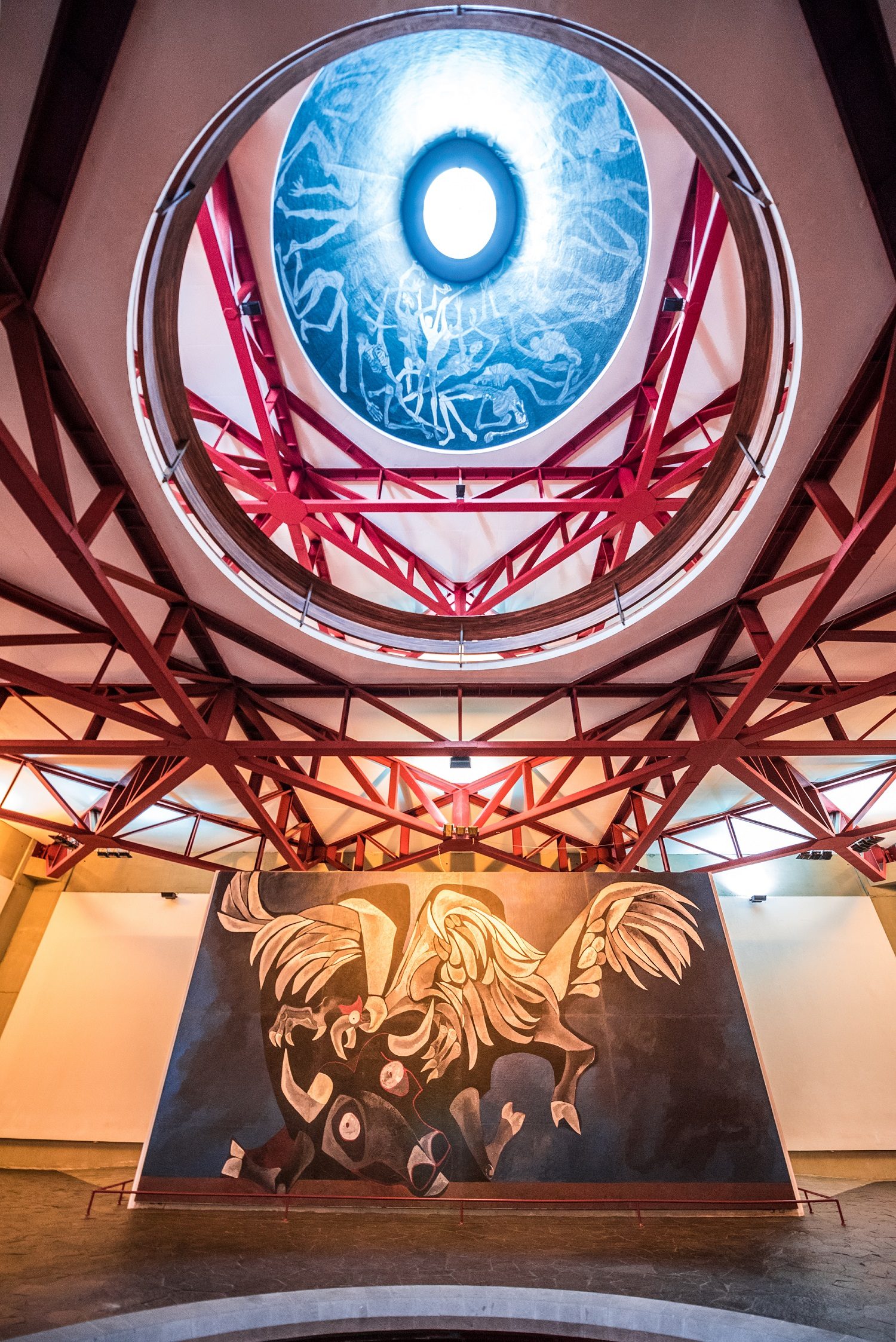
This indoor gallery features reproductions of works by Ecuadorian artist Oswaldo Guayasamín.
Observe the lighting displays to highlight specific brushwork details.
An exhibition hall dedicated to the 18th-century expedition that sought to measure the equatorial arc.
Read the informational plaques to understand the historical context.
The equatorial highland climate at 2,430 meters brings intense UV exposure and rapid temperature swings between sun and shade.
Everything you need to know about mitad del mundo quito weather
The mitad del mundo quito weather is generally mild due to the high altitude, though conditions can change rapidly. Plan for variable temperatures that often fluctuate throughout the day.
While the site is outdoors, the Ciudad Mitad del Mundo remains accessible in most conditions. Sunny skies provide the best visibility for photography at the monument.
Quito experiences a temperate highland climate often described as eternal spring. The location is subject to strong solar radiation, making UV protection essential regardless of cloud cover.
During your Mitad del Mundo tour, wear layers and bring a rain jacket. Comfortable walking shoes are recommended for navigating the plaza and various exhibitions.
Official hours remain consistent from Monday through Sunday regardless of the forecast. Please note that the site operates from 09:00 to 17:00 on weekdays and 09:00 to 18:00 on weekends.
Several indoor museums and cultural pavilions are located within the complex. These spaces offer effective shelter if the mitad del mundo quito weather becomes unfavorable during your visit.
Arrive between 09:00 and 11:00 to enjoy the complex before afternoon shifts in cloud cover. This early window also helps avoid the largest crowds at the main monument.
High altitude sun is intense at this UNESCO-adjacent site, so apply sunscreen even when it feels cool. While there are no defined seasons like the north, prepare for occasional mountain mist or sudden showers.