4 hr
Quito Middle of the World & Pululahua Volcano Tour
Stand at the equator and peer into an inhabited volcanic crater on this half-day cultural adventure
Reserve
Stand on the painted line between hemispheres, where French geodesic missions first marked latitude zero.
Hand-picked by our editors — only the best 6 experiences from 14 reviewed.
Verified partners for Mitad Del Mundo Tour Quito tours, free cancellation where available, and instant confirmation on every booking.
4 hr
Stand at the equator and peer into an inhabited volcanic crater on this half-day cultural adventure
Reserve
4 hr
Hop-on, hop-off journey to the iconic equator monument and interactive science museum
Reserve
5 hr
Stand on the equator, explore interactive science exhibits, and witness an inhabited volcanic crater
ReservePrices from verified partners. Availability updates in real time at checkout. Free cancellation policies apply where shown.
The landmarks, rooms, and views travelers on Mitad Del Mundo Tour Quito tours remember — all visible on a single visit.
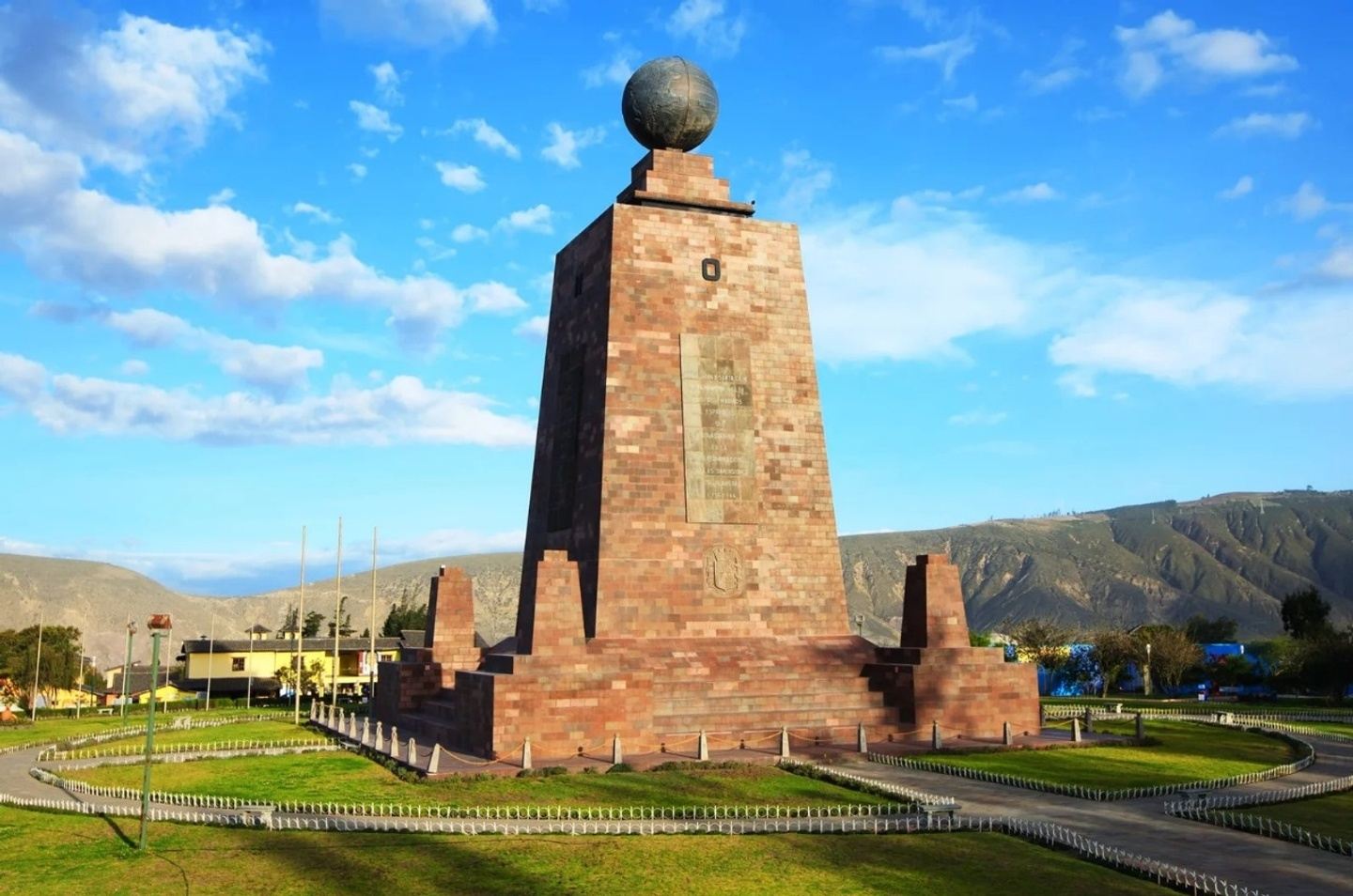
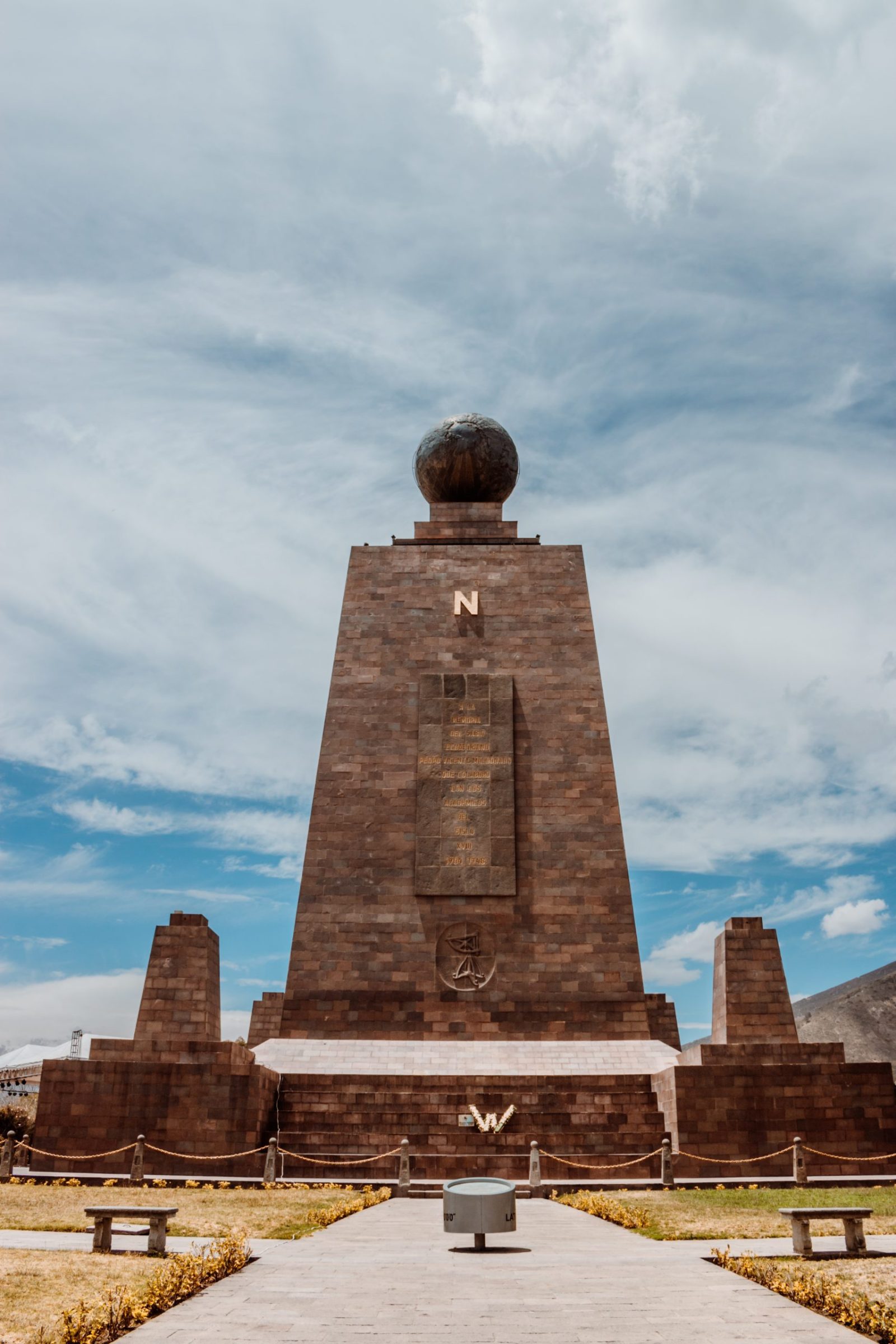
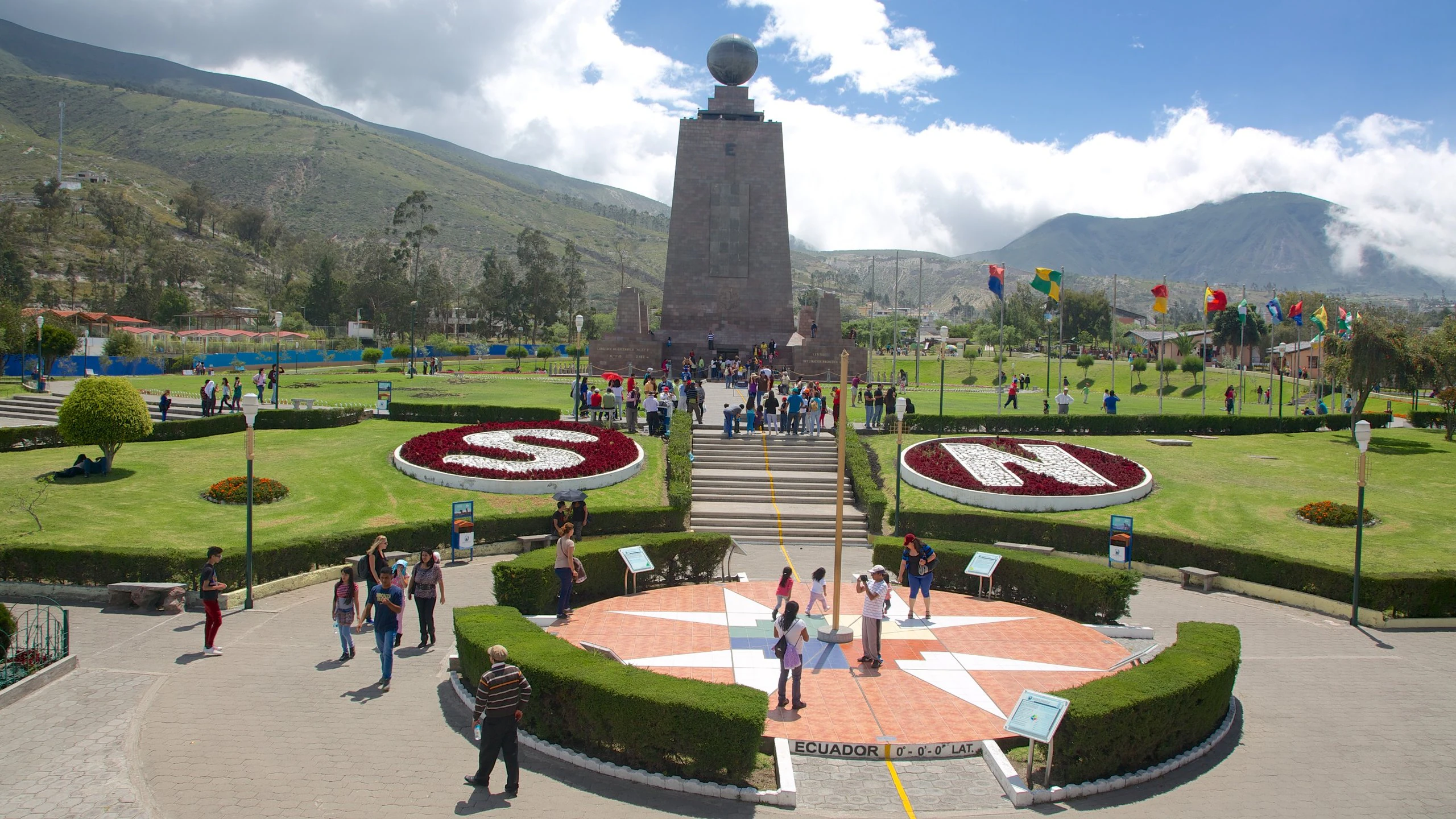
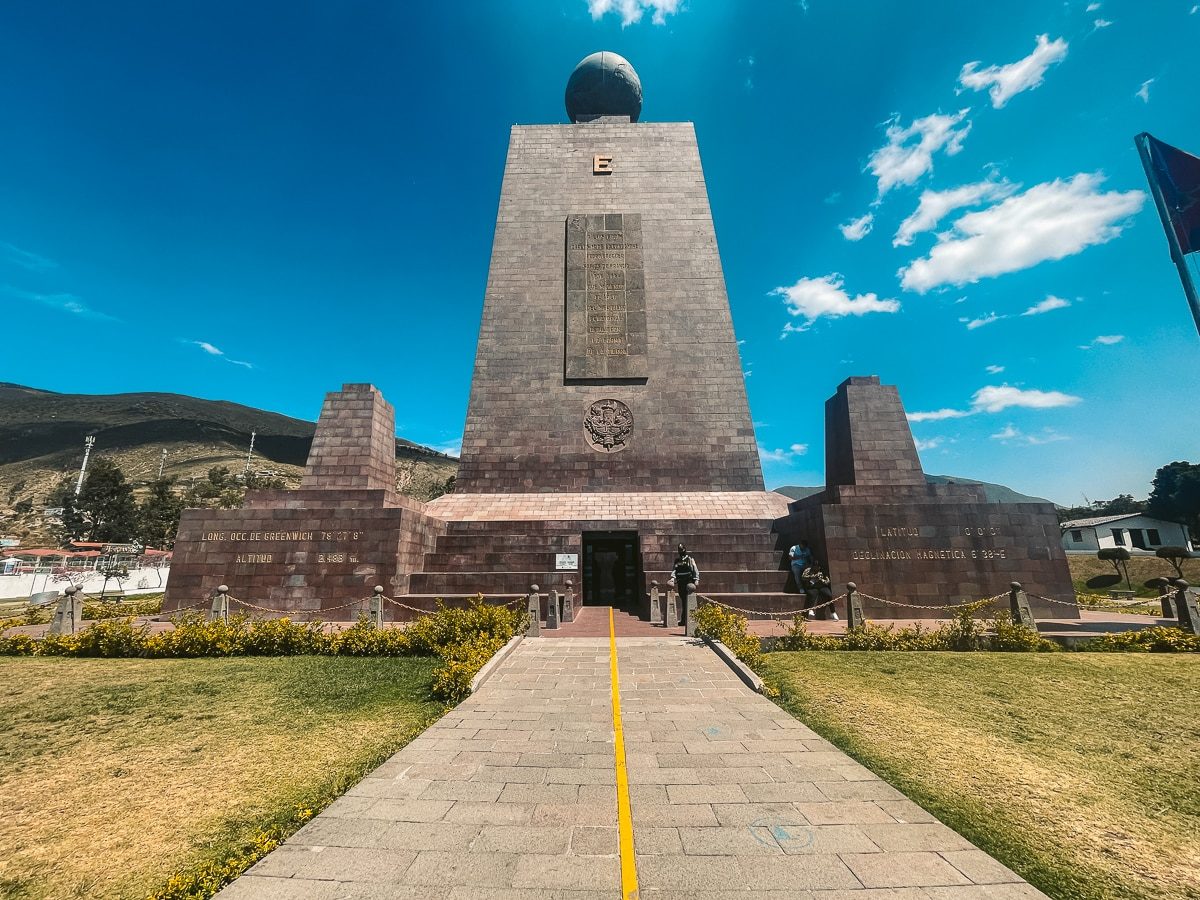
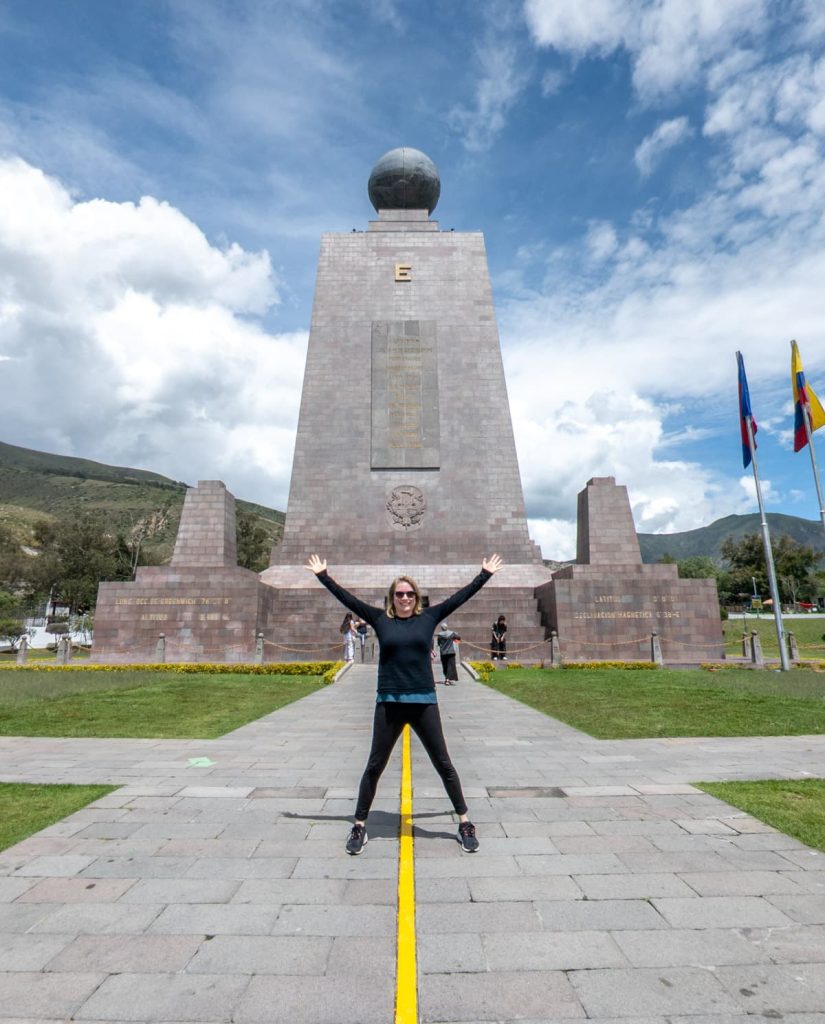
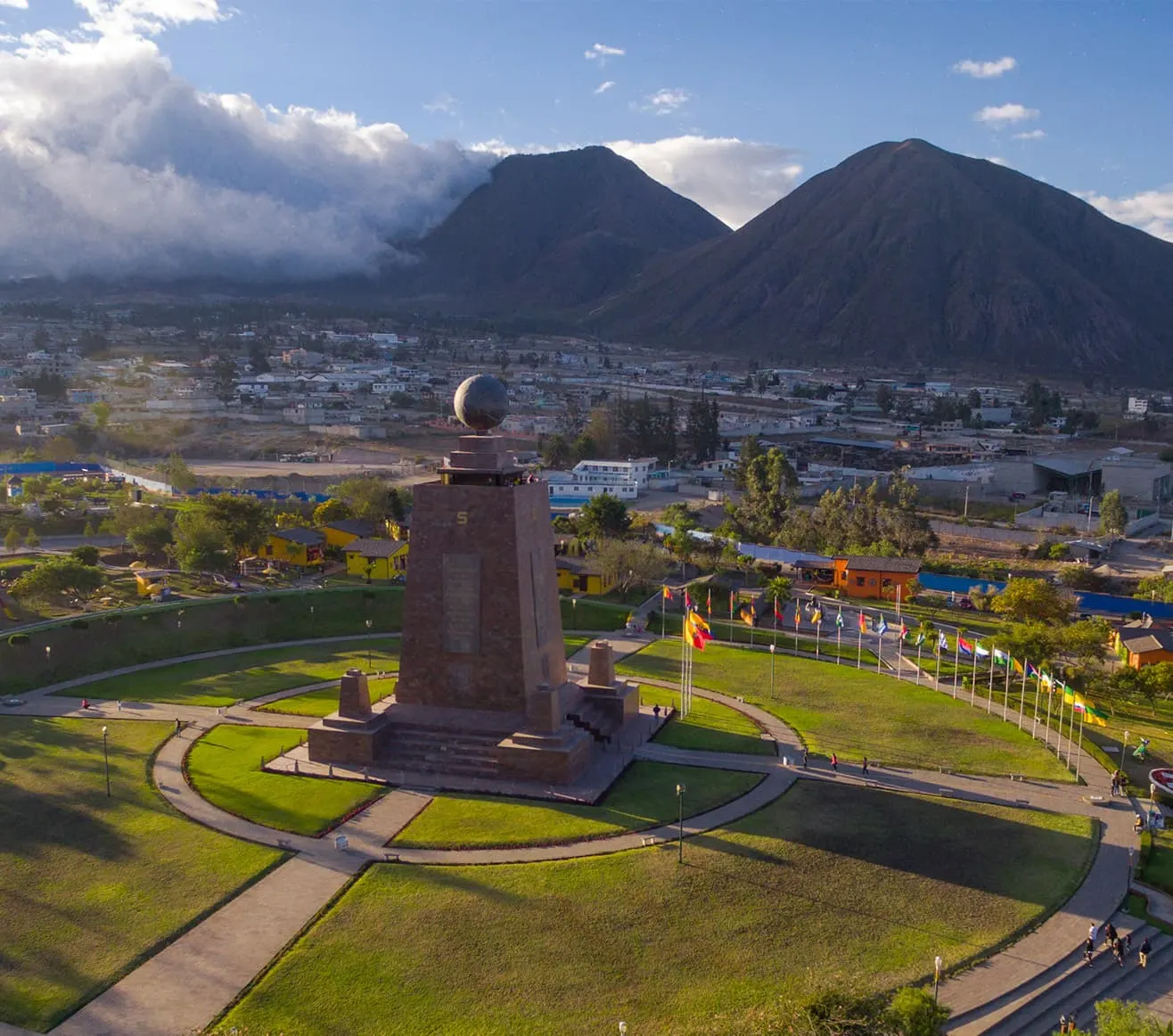
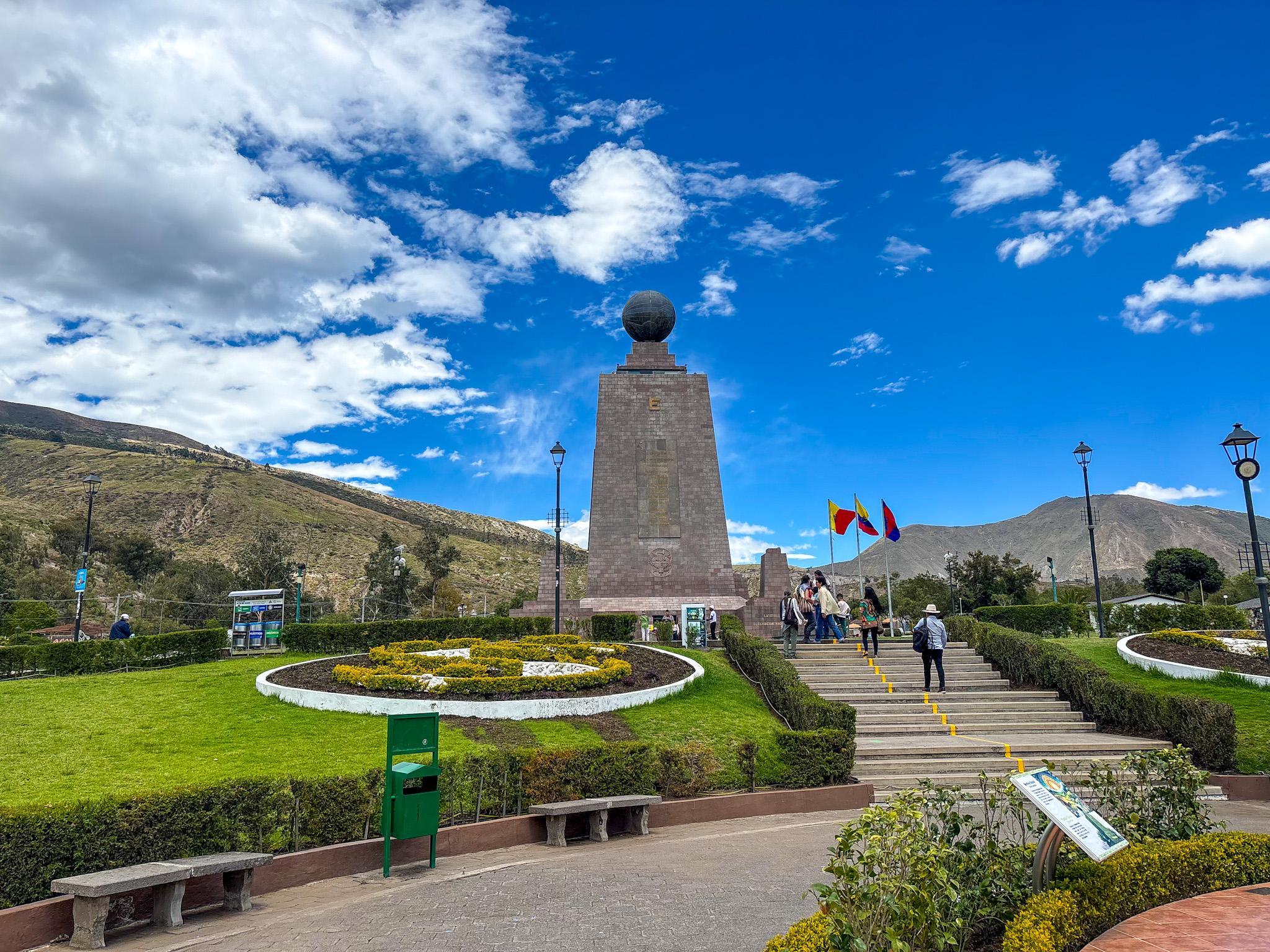
The iconic 30-meter tall pyramid structure topped with a metallic globe, serving as the central landmark for every mitad del mundo tour quito.
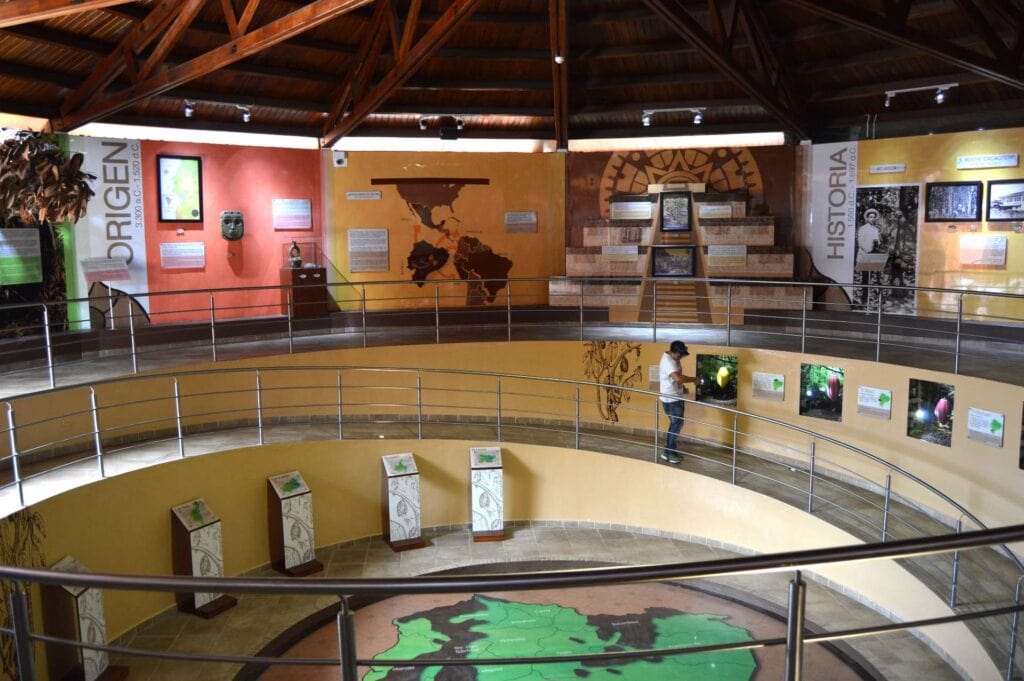
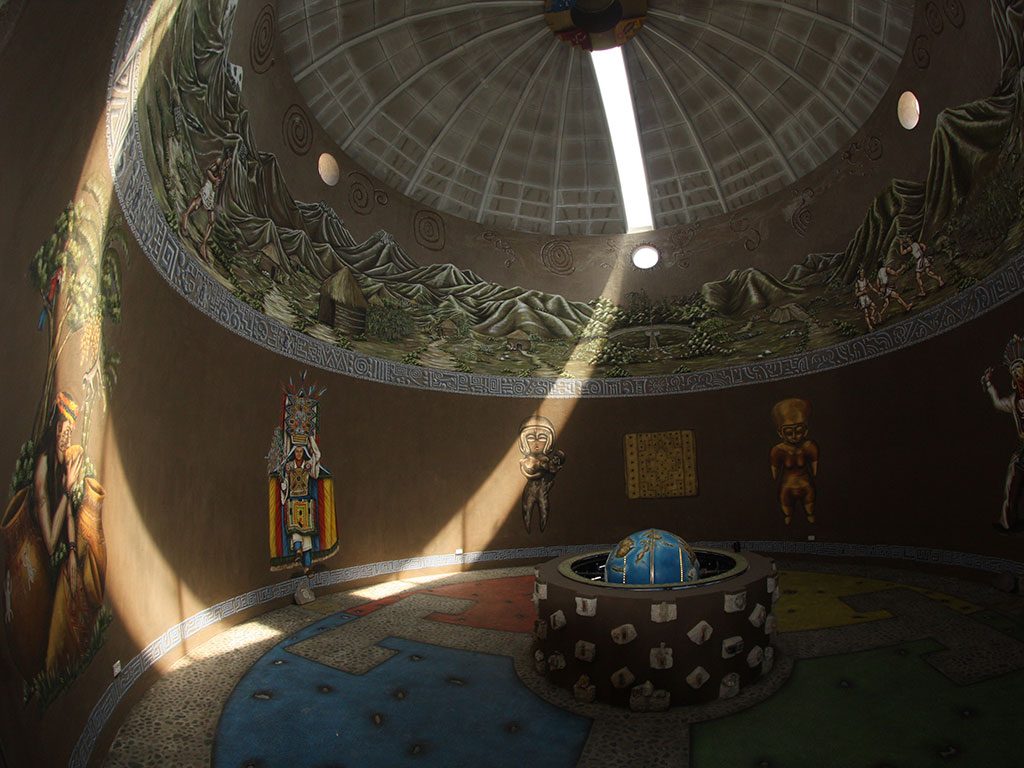
An immersive museum located inside the main monument detailing the indigenous culture and history of Ecuador.
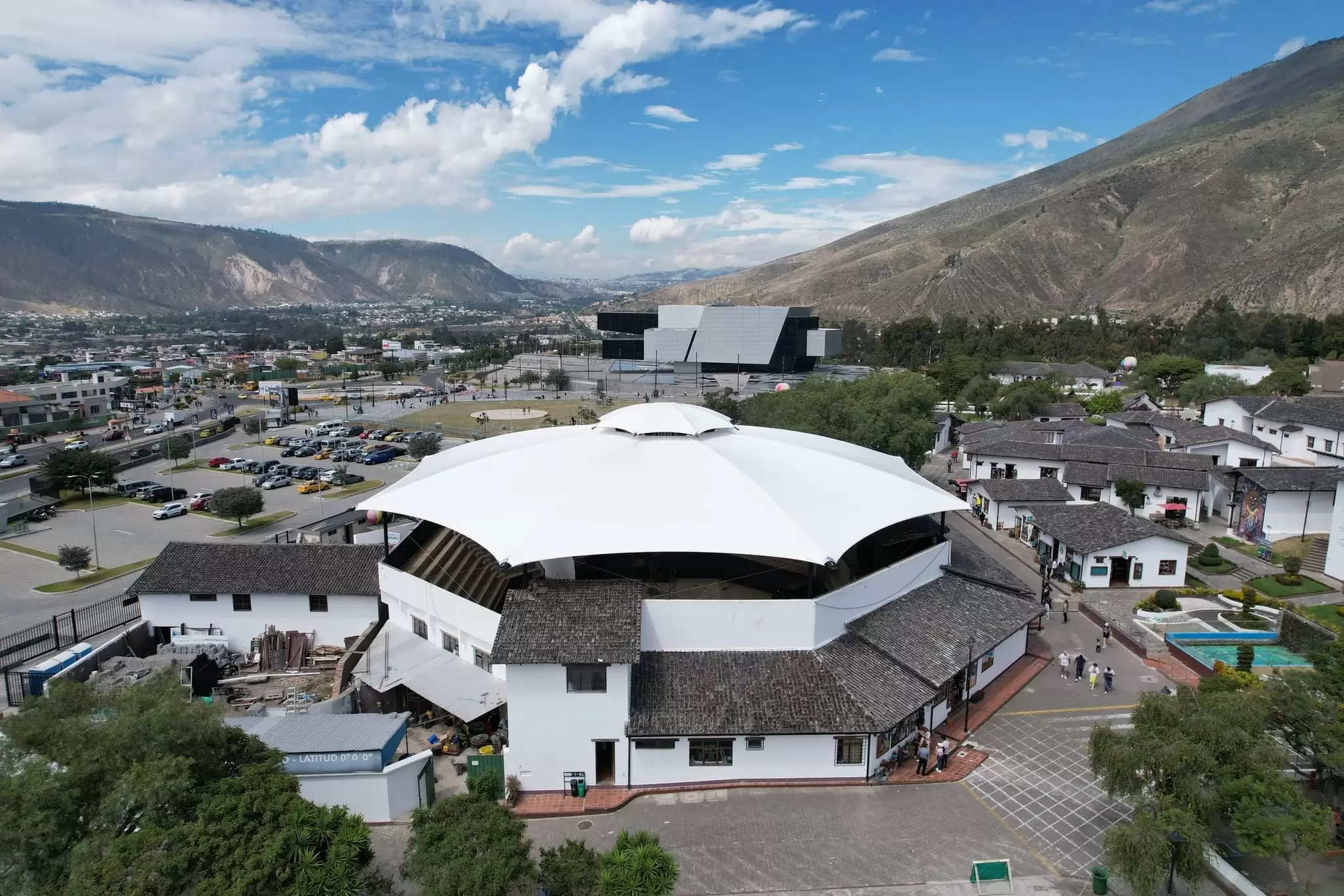
The main square where live events and cultural performances often take place during a weekend mitad del mundo tour quito.
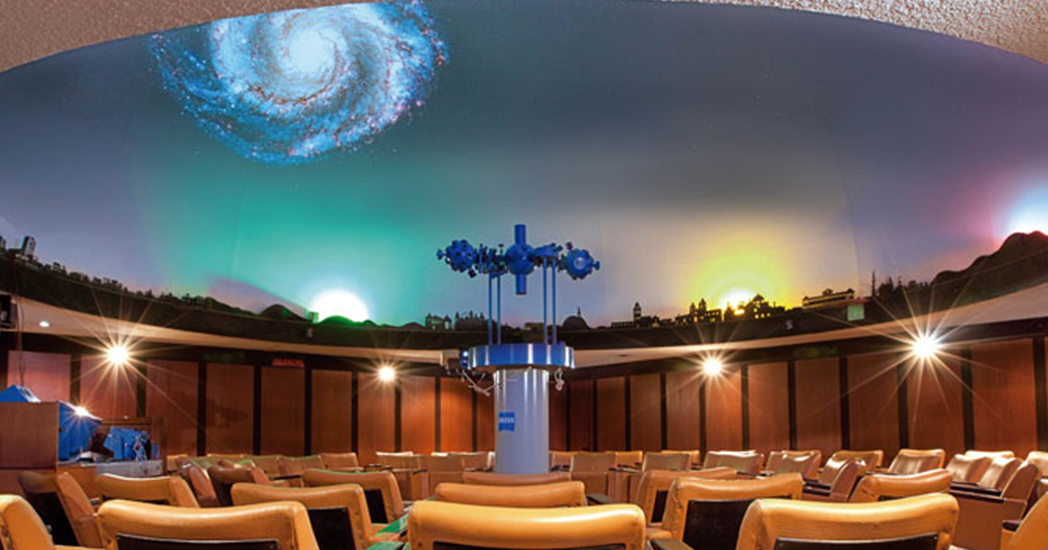
Features modern digital projections and astronomical exhibits related to the equatorial location.
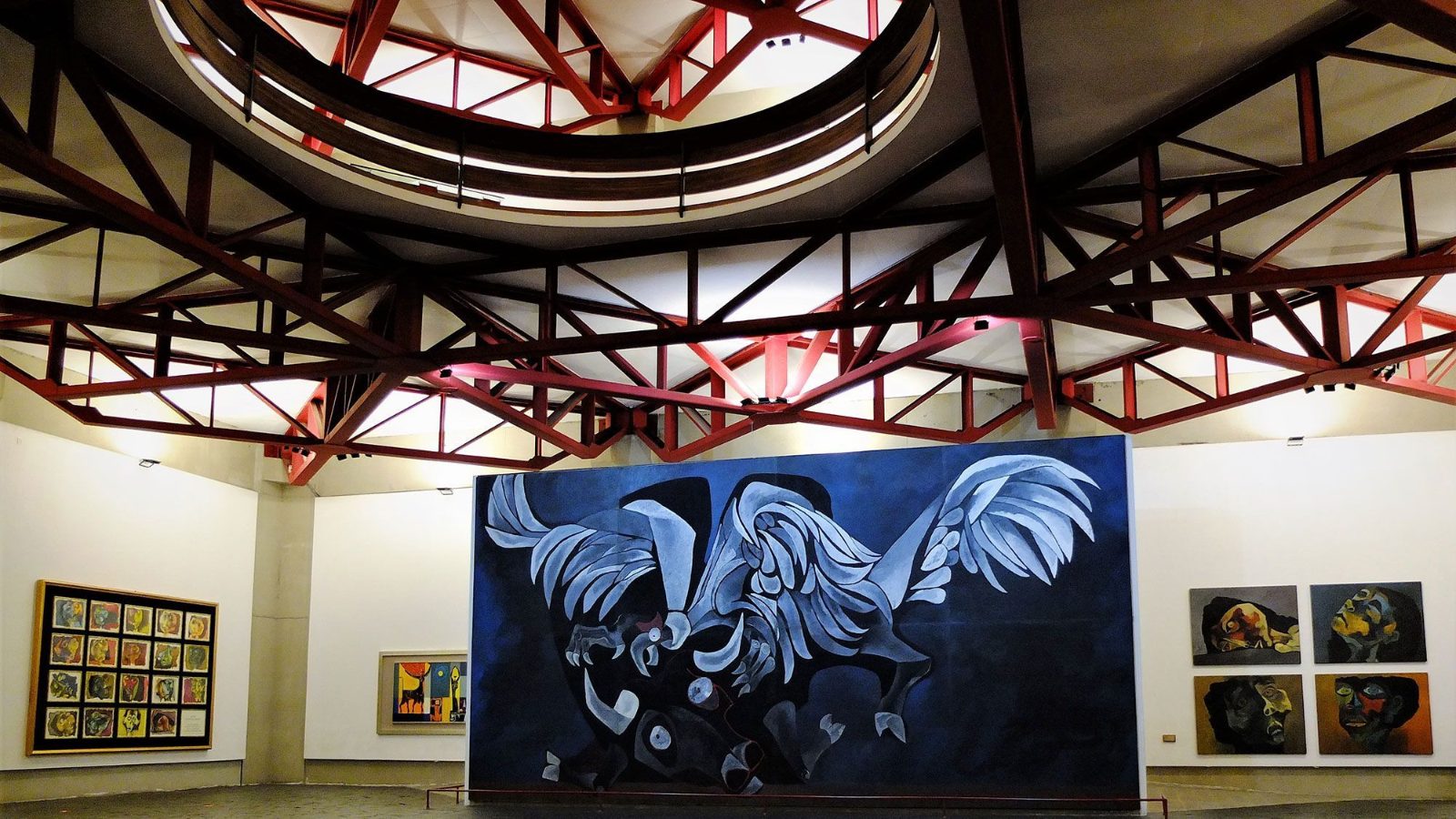
An exhibition space dedicated to the famous Ecuadorian painter Oswaldo Guayasamín and his artistic legacy.
Every Mitad Del Mundo Tour Quito tour side-by-side — duration, what's included, how you redeem.
| Experience | From | Duration | Rating | Pickup | Guide | Free cancel. | Price | |
|---|---|---|---|---|---|---|---|---|
|
Standard Entry Most popular
Quito Middle of the World & Pululahua Volcano Tour
|
— | 4 hr | ★ 4.7 | ✓ | — | ✓ | €35 | Book → |
|
Standard Entry
Equator Line Experience with Museum Access
|
— | 4 hr | ★ 4.5 | — | ✓ | ✓ | $35 | Book → |
|
Standard Entry
Equator Line, Intiñan Museum & Pululahua Crater Tour from Quito
|
Quito | 5 hr | ★ 4.9 | ✓ | ✓ | ✓ | $52 | Book → |
All prices from verified partners. Availability and exact terms confirmed at checkout.
Most visitors combine these sites, though the Mitad Del Mundo tour Quito provides a grand architectural landmark while Intiñan offers a more intimate scientific focus.
| Feature | Top pick Mitad del Mundo | Intiñan Museum |
|---|---|---|
Primary Focus |
Monumental landmark | Scientific equator demonstrations |
Authenticity of Latitude |
Calculated historical position | GPS-verified equatorial line |
Interactive Exhibits |
Limited onsite displays | Hands-on physical experiments |
Guided Tour Experience |
Self-paced exploration | Mandatory guided format |
Crowd Levels |
High volume capacity | Small group sizes |
Price |
5 USD | 5 USD |
| See tickets → |
Verdict: If you seek the iconic photo at the center of the world, select Mitad del Mundo tour Quito tickets, but choose Intiñan for detailed equatorial science.
Choose your ticket, select your date, and reserve in under two minutes. Secure checkout handled by our verified partner.
Instant confirmation by email, with a mobile voucher you can save offline. No printing, no queuing at a collection desk.
Arrive at the entrance, show your voucher on your phone, and walk in. Most tickets include priority or skip-the-line access.
Practical details for Mitad Del Mundo Tour Quito tickets straight from our verified partners — hours, access, rules, and how to get there.
Casual and comfortable attire is recommended. Because the site is at a high altitude in a dry Andean valley, bringing layers is advisable as temperatures can fluctuate throughout the day.
Standard security checks are in place at the entrance. While personal backpacks are generally permitted, large luggage may not be accommodated in all exhibition areas.
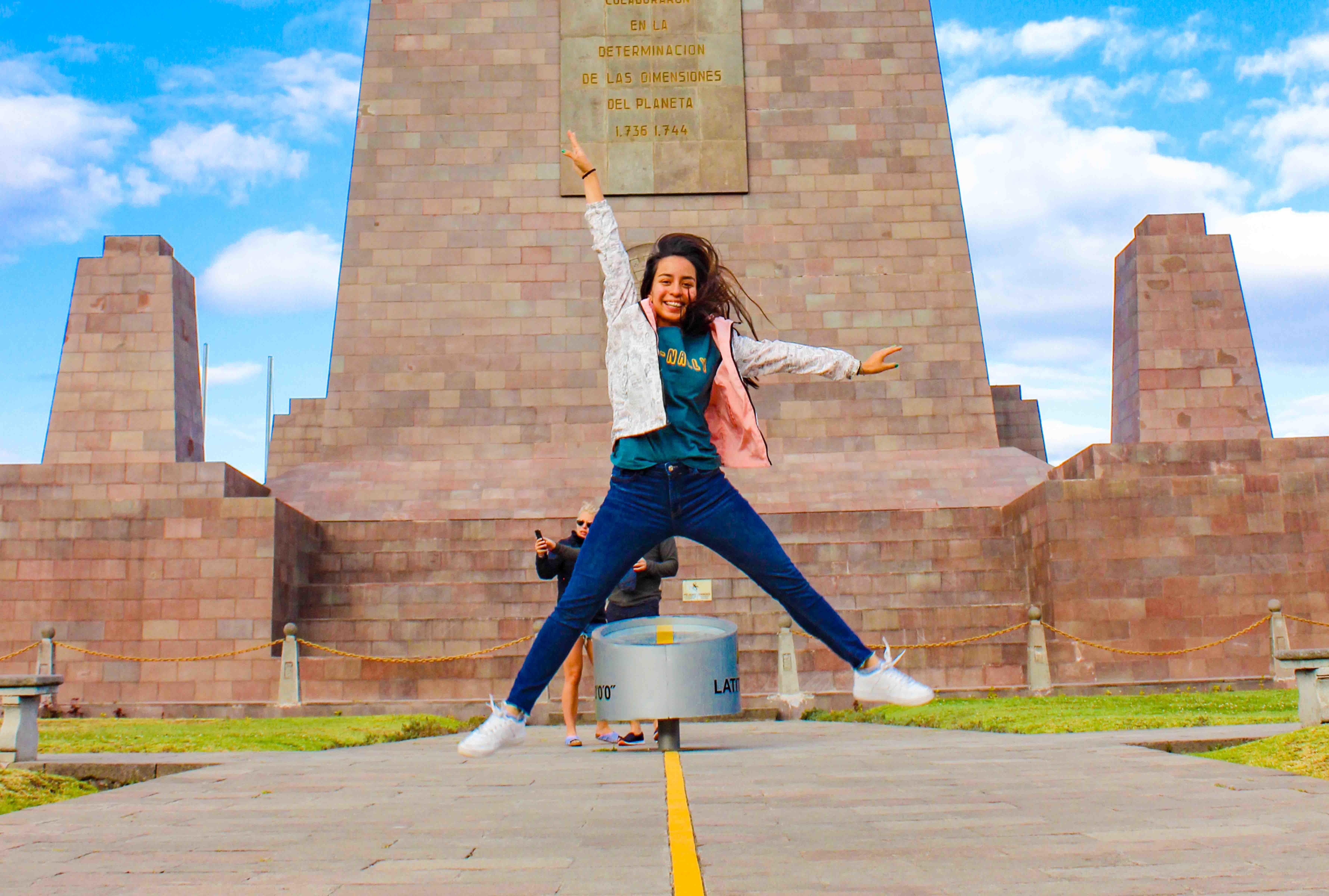
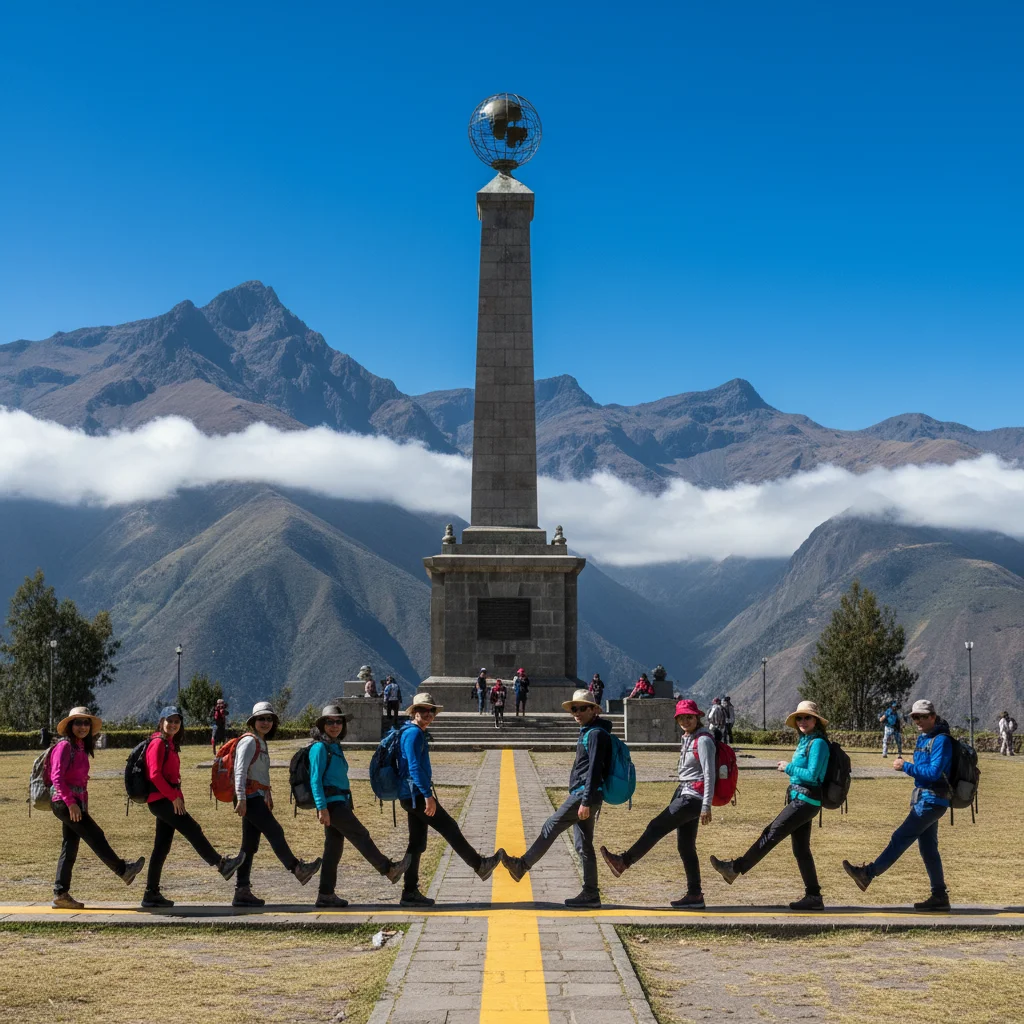
Photography is permitted and encouraged throughout the complex. The yellow line marking the equator is the most popular spot for your mitad del mundo tour quito photography, so bring a tripod if you wish to take photos without assistance.
The main grounds and the central plaza are paved and wheelchair accessible. Some smaller exhibits may have limited access, but the primary monuments are navigable.
Mobile phones are permitted. Keep ringer off inside exhibition spaces.
The complex is family-friendly, featuring wide open spaces for children to walk and educational exhibits that make a mitad del mundo tour quito an engaging experience for all ages.
There are various eateries and cafes located within the complex serving local Ecuadorian cuisine. Bringing your own reusable water bottle is recommended for hydration during your visit.
Pets are not allowed, with the exception of service animals with appropriate documentation.
Last entry is typically 1 hour before closing. Check the specific ticket for timing.
Best time to go, insider tips, nearby landmarks, and the cancellation fine print — flip through to skim what matters to you.
Flexible, no hidden fees.
Tickets are generally non-refundable once purchased. Please check with your specific tour operator if booking a bundled mitad del mundo tour quito to confirm their individual cancellation terms regarding the 5 USD standard adult admission fee.
The yellow line running across the plaza at Mitad del Mundo marks latitude 0°0'0", the point where eighteenth-century French and Spanish scientists believed the equator intersected Andean terrain.
Between 1736 and 1744, the French Geodesic Mission led by Charles Marie de La Condamine measured the curvature of the Earth near Quito, choosing this site for its proximity to the true equatorial plane. Modern GPS coordinates place the actual equator approximately 240 meters north of the monument, but the complex remains the symbolic and ceremonial heart of Ecuador's hemispheric identity.
The 30-meter stone monument, topped with a brass globe, was inaugurated in 1982 to replace a smaller 1936 marker. Its interior houses an ethnographic museum across four floors, presenting pre-Columbian artifacts, colonial cartography, and dioramas of Indigenous communities from Ecuador's coastal, Andean, and Amazonian regions. Exhibits trace the cultural and scientific legacy of the geodesic expeditions that confirmed the Earth's oblate shape and gave Ecuador its name — "equator" in Spanish.
Surrounding the central tower, the Ciudad Mitad del Mundo complex spans 12 hectares and includes a planetarium, a colonial-era chapel relocated from Quito's historic center, and a cacao museum detailing the cultivation and fermentation processes behind Ecuadorian chocolate. The Intiñan Solar Museum, located just north of the main site along the GPS-verified equator, offers interactive demonstrations of Coriolis effects and water-drain experiments that draw crowds despite their contested scientific validity. Both sites operate independently, with separate admission fees.
Visitors arriving on a mitad del mundo tour quito often combine the monument with nearby attractions in San Antonio de Pichincha, including the Pululahua Geobotanical Reserve, a populated volcanic crater visible from the complex's western edge. The site's accessibility from Quito — 26 kilometers north via the Metrobus Ofelia line to the terminal, then a connecting bus — makes it a frequent half-day excursion. Weather at this elevation, 2,483 meters above sea level, shifts rapidly; mornings typically offer clearer skies before afternoon clouds roll in from the Andean slopes. The complex hosts equinox celebrations in March and September, when the sun passes directly overhead and vertical objects cast no shadow at solar noon.

"The yellow line marks where eighteenth-century scientists believed the equator crossed Andean terrain — modern instruments place it 240 meters north."
A step-by-step walkthrough of Mitad Del Mundo Tour Quito tickets — what you'll see, how long each stage takes, and the details that matter.
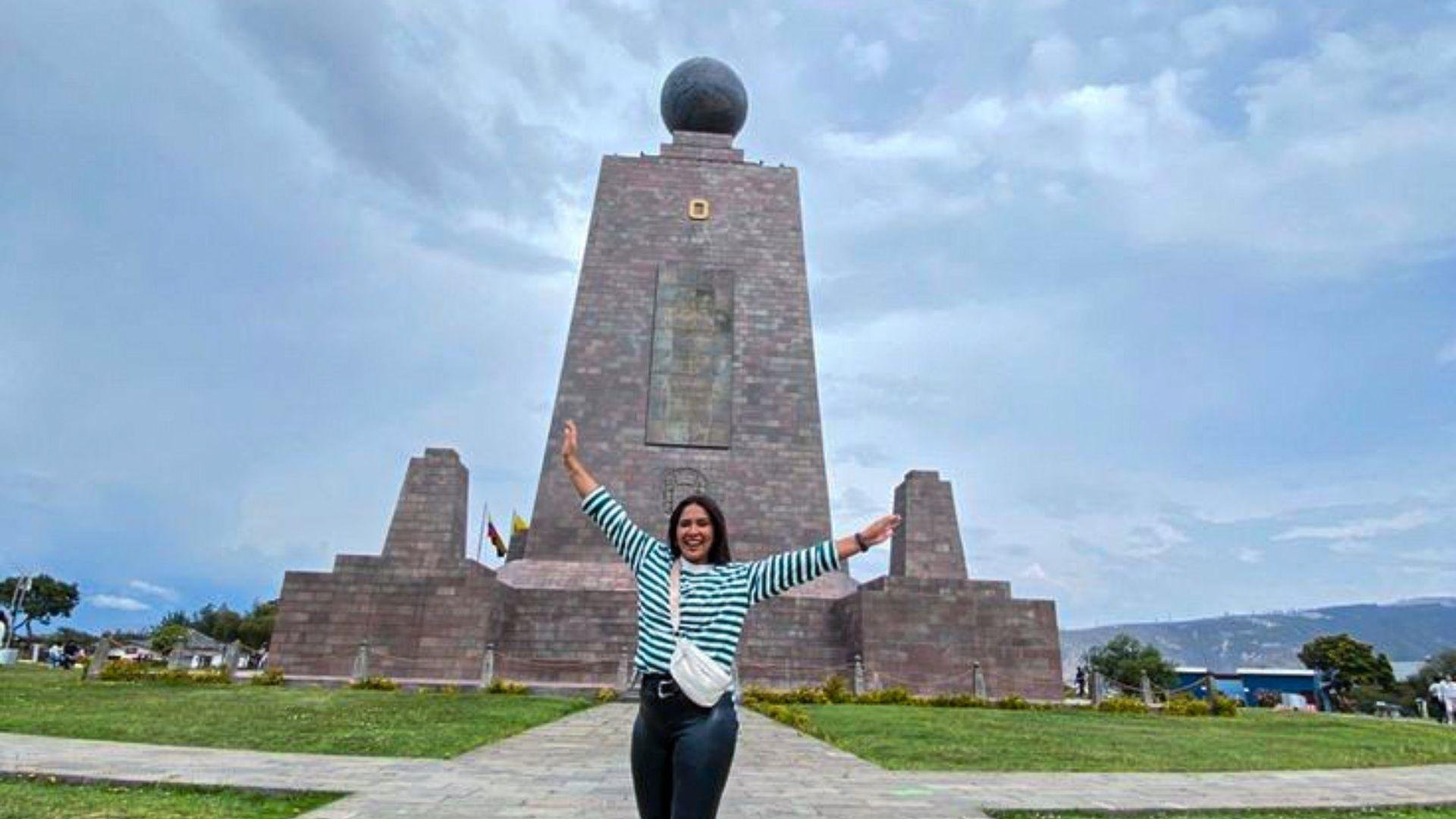
You step off the bus at the main entrance and walk toward the towering monument, its brass globe catching the morning light. The yellow equator line stretches across the cobblestone plaza, dividing the Northern and Hemisphere markers painted on the ground.
You position one foot on each side, photograph the moment, then queue for the tower entrance.
Inside, you climb the spiral staircase through four floors of museum galleries. Display cases hold ceramic vessels, woven textiles, and navigation instruments used by the French expeditions. At the top, a circular observation deck offers 360-degree views across the valley — Quito's skyline visible to the south, the Pululahua crater rim to the west. You descend and cross the plaza toward the planetarium, where a 20-minute projection traces the constellations visible from the equatorial night sky.
Outside again, you browse the artisan market stalls lining the perimeter, vendors selling alpaca scarves and carved balsa figurines. If time permits, you walk 240 meters north to the Intiñan Museum, where guides demonstrate balancing an egg on a nail and invite you to walk a straight line with your eyes closed along the GPS-verified equator. The experiments provoke debate among your group, but the hands-on atmosphere contrasts with the formal monument galleries you toured earlier.
The complex is open Monday to Friday from 09:00–17:00, and Saturdays and Sundays from 09:00–18:00.
Standard adult admission for a mitad del mundo tour quito is 5 USD per person.
Yes, you can visit independently by bus or taxi, though a guided mitad del mundo tour quito offers more context.
The best arrival window is 09:00–16:00 to avoid afternoon crowds and ensure sufficient time to see all exhibits.
Yes, the entrance fee covers access to the main complex, including the monument and various ethnographic museums.
Most visitors spend 2 to 3 hours exploring the landmarks during their mitad del mundo tour quito.
Public transport is available from the Ofelia bus station, though taxis are a faster alternative for your mitad del mundo tour quito.
Yes, the site is open daily, including weekends, with slightly extended hours until 18:00.
The famous yellow line at the complex is a symbolic marker; the actual equator is located approximately 240 meters away.